What Is Diverticulitis & How Can You Support Digestive Wellness Naturally?


Diverticulitis is a common digestive condition that can become more prevalent with age. If you've experienced it yourself—or you're simply becoming more conscious of your digestive health—you may be wondering what you can do to support your gut and overall wellbeing.
The good news is that looking after your digestive health doesn't have to be complicated. A varied, fibre-rich diet, adequate hydration, regular movement and healthy lifestyle habits can all contribute to better digestive and bowel health over time.
For people who have already experienced diverticulitis, these habits may also help reduce the likelihood of future episodes.
Let's take a closer look at what diverticulitis is and the simple things you can do to support your digestive health every day.
A note on your health: If you have been diagnosed with diverticulitis or are experiencing persistent or severe digestive symptoms, speak with your GP or healthcare professional for personalised advice.
What Is Diverticulitis?
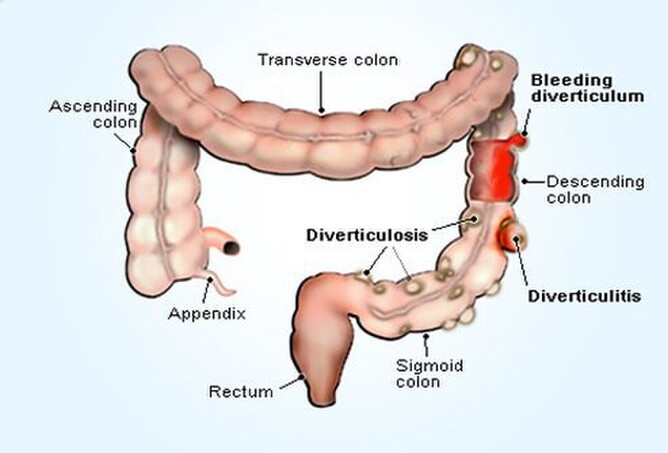
Diverticulitis occurs when small pouches that form in the wall of the large intestine, known as diverticula, become inflamed.
The presence of these pouches is called diverticulosis, which is common and often causes no symptoms. When one or more pouches become inflamed, it is referred to as diverticulitis.
Symptoms can include abdominal discomfort or pain, bloating, changes in bowel habits and, in some cases, fever or nausea.
While diverticulitis may require medical care, there is also plenty you can do to support your overall digestive health as part of your everyday lifestyle.
Can looking after your digestive health help?
Yes, taking care of your digestive and overall health is worthwhile whether you've experienced diverticulitis before or simply want to maintain good digestive wellbeing as you age.
For people who have already experienced diverticulitis, healthy lifestyle habits may help reduce the chance of future episodes. A high-quality, fibre-rich diet, regular physical activity and maintaining a healthy weight are all important parts of a healthy long-term lifestyle.
For those who haven't experienced diverticulitis, these same habits may help create a healthier foundation for digestive wellbeing and may help reduce the risk of developing the condition.
Age and genetics also play a role, so there are no guarantees. But there is plenty of good reason to make digestive health part of your everyday wellness routine.
The goal isn't to wait for a digestive problem before taking action. It's to give your body consistent support for the years ahead.
5 Simple Ways to Support Digestive Wellness
1. Enjoy Plenty of Fibre-Rich Foods
Fibre is an important part of a healthy diet and supports normal bowel function.
Good sources include vegetables, fruit, oats and wholegrains, beans and lentils, nuts and seeds, chia and flaxseeds.
If you're currently eating a low-fibre diet, increase your intake gradually and make sure you're drinking enough water.
Rather than aiming for a perfect diet, focus on adding more variety and wholefood goodness to your meals.
2. Stay Hydrated
Good hydration works alongside fibre to support healthy digestion and normal bowel function.
Make water your main drink throughout the day. Herbal teas and water-rich foods such as fruit and vegetables can also contribute to your daily fluid intake.
3. Keep Moving
Regular movement is one of the simplest ways to support your overall health.
Walking, gardening, swimming, cycling or simply getting up and moving throughout the day can all contribute to a healthier lifestyle.
Regular physical activity is also associated with a lower risk of diverticulitis and can form part of a healthy lifestyle after an episode.
4. Include Fermented Foods
Fermented foods have been enjoyed for generations and are a natural way to add variety to your diet.
Sauerkraut, kimchi, kefir, natural yoghurt and miso are all examples of fermented foods that can provide beneficial bacteria and other nutrients.
Including a variety of fermented foods can be a simple and enjoyable addition to a balanced diet.
5. Consider a Daily Probiotic
For many people, adding a probiotic to their daily routine is a convenient way to complement a healthy diet and support digestive wellness.
Probiotics contain beneficial microorganisms that can support a healthy gut environment and the natural balance of bacteria in the digestive tract.
While probiotics are not a treatment for diverticulitis, they are widely recognised for their role in supporting general gut health and overall wellbeing.
How Immunity Fuel Fits In
Immunity Fuel Probiotic Superfood is a certified organic blend of fermented wholefoods and naturally occurring beneficial bacteria. It’s designed to be simple, convenient, and part of a healthy lifestyle.
-
Made from wholefoods: Fruits, vegetables, legumes, and grains provide a broad nutritional base.
-
Naturally fermented: The fermentation process creates live cultures and makes nutrients available in a ready-to-use form.
-
Easy to take: Choose between the powder (just 1 teaspoon per day in a smoothie or water) or convenient vegecaps (2 capsules per day).
Many of our customers enjoy Immunity Fuel as part of their daily routine to support a balanced diet and healthy digestion.
A Balanced Approach to Digestive Wellness
Diverticulitis requires appropriate medical care, but it also highlights the importance of looking after your digestive health every day. By focusing on wholefoods, hydration, regular movement and probiotic-rich foods, you can give your digestive system consistent support while contributing to your overall wellbeing.
Nutrition and lifestyle are an important part of the bigger picture, but if you have diverticulitis or another digestive condition, always follow the advice of your healthcare provider.
If you're looking for a natural way to bring fermented foods and probiotics into your daily routine, Immunity Fuel Probiotic Superfood is a simple, certified organic option to add to your diet.
Frequently Asked Questions
Q: Can probiotics cure diverticulitis?
No. Probiotics are not a cure or treatment for diverticulitis. If you have diverticulitis or related symptoms, you should always seek advice from your healthcare provider. Some people choose to include probiotic-rich foods as part of their everyday diet for general digestive balance.
Q: What foods are generally good for gut health?
A variety of whole, unprocessed foods often support digestive wellbeing. These include fibre-rich foods such as fruit, vegetables, legumes, wholegrains, nuts, and seeds. Fermented foods like sauerkraut, kimchi, and kefir are also popular additions for those who enjoy them.
Q: How much fibre should I aim for?
Fibre needs vary by age, sex, and individual health factors. In general, adults are encouraged to eat a wide range of high-fibre foods daily. Always follow personalised advice from your doctor or dietitian if you have a digestive condition.
Q: What role do fluids play in digestion?
Fluids help fibre move smoothly through the digestive system and support overall hydration. Water, herbal teas, and water-rich fruits and vegetables are all helpful sources.
Q: How can I add probiotics to my diet naturally?
Yes, you can include naturally fermented probiotic superfoods such as Immunity Fuel Probiotic Superfood, which can be taken daily as part of a balanced diet.
This information is not intended to diagnose, treat, cure or prevent any disease. These products are not to be used in place of medical advice.